Choosing The Right Property Fence Material For High Wind Areas
Mr. Greenthumb LLC • September 2, 2026
Investing in residential fencing services is a major decision for any property owner looking to secure their boundary lines. At Mr. Greenthumb, LLC we constantly see poorly planned installations blown apart by heavy wind gusts across the Front Range. A new fence should provide lasting security and privacy without requiring constant repairs after every major weather event.
Choosing the right property fence material for high wind areas requires looking past cosmetic appeal and understanding structural load limits. Many homeowners simply pick the style they like best without considering how those panels will handle localized wind shear. We are going to break down exactly what you need to know about material strength and installation methods before you hire a contractor.
What We Cover
- Evaluating Common Fence Materials
- Red Flags To Watch For When Evaluating Providers
- Wind Resistance And Structural Integrity
- Questions You Must Ask Before Booking
- Securing Your Property Line
Evaluating Common Fence Materials
Different materials react uniquely to sustained wind pressure. When planning a project in Boulder, Colorado, property owners need to match their material choice to the specific exposure of their yard.
- Solid Wood Panels: Traditional cedar offers great privacy but acts like a giant sail if the boards are placed tight together without gaps for airflow.
- Vinyl Fencing: High quality vinyl flexes under pressure, but cheaper thin vinyl will shatter or snap at the brackets during intense gusts.
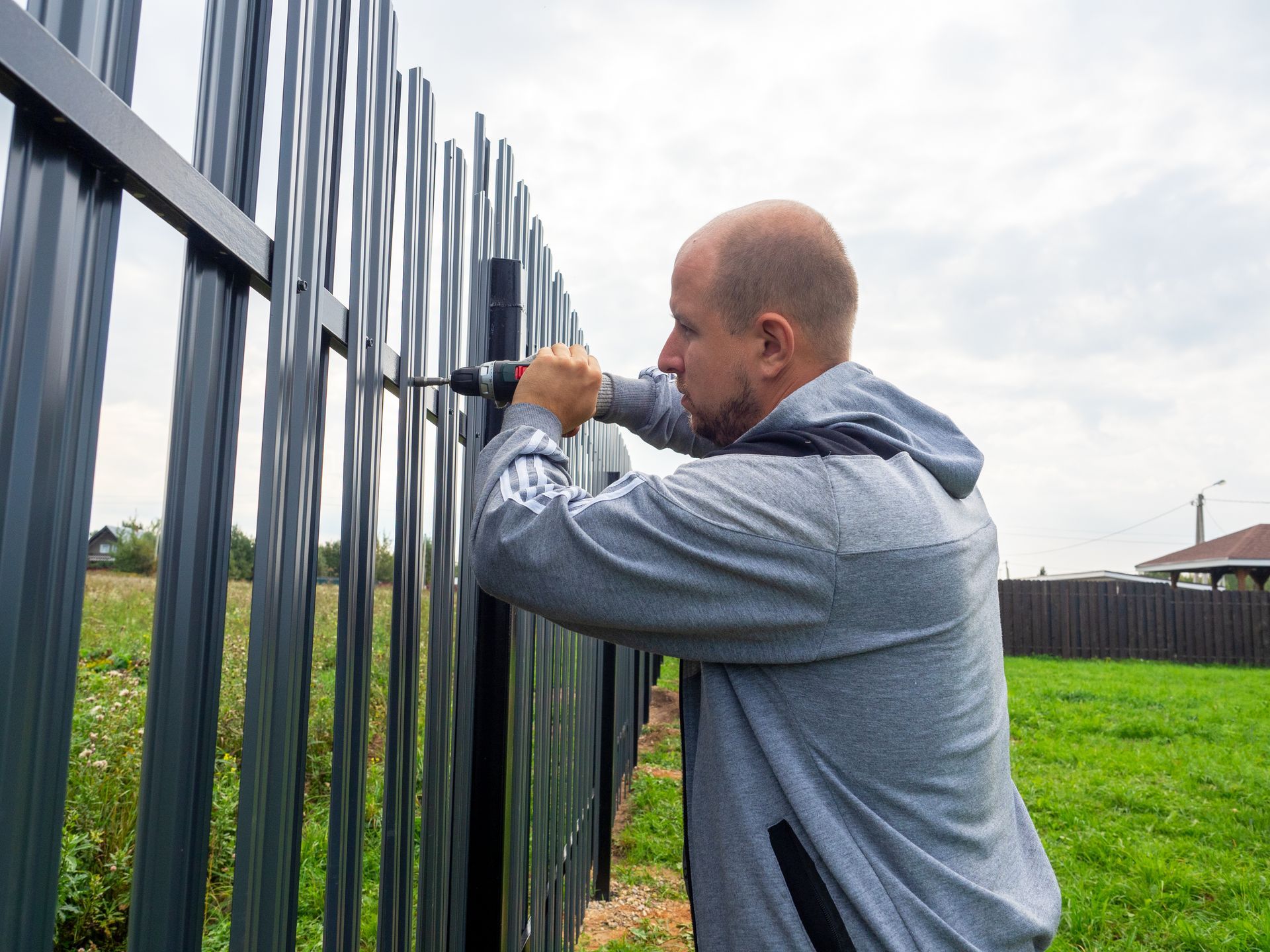
- Metal Options: Wrought iron or tubular steel provides zero wind resistance because the air passes right through, making it highly durable but offering no privacy.
Red Flags To Watch For When Evaluating Providers
The material you choose only matters if the installation is rock solid. Unfortunately, some contractors cut corners on the hidden structural elements to speed up the job. Spotting these bad practices early saves you from a total fence collapse later.
- Shallow Post Holes: Posts must be buried below the frost line with adequate concrete, otherwise the entire fence line will lean out of plumb within a year.
- Incorrect Bracket Hardware: Using standard interior screws instead of exterior grade structural fasteners guarantees the panels will rip away from the posts.
- Skipping Spacing Allowances: Wood and vinyl both expand and contract, and failing to leave proper expansion gaps causes the panels to buckle under pressure.
This demand for reliable and correct installation is a pattern the team at Mr. Greenthumb, LLC hears regularly.
► Client Experience: We have been using Mr. Greenthumb for many years and have always had fast and efficient service. Definitely recommend them! - Jonathan Cevallos
Knowing your contractor responds quickly and builds things right the first time gives you true peace of mind when harsh conditions strike.
Wind Resistance And Structural Integrity
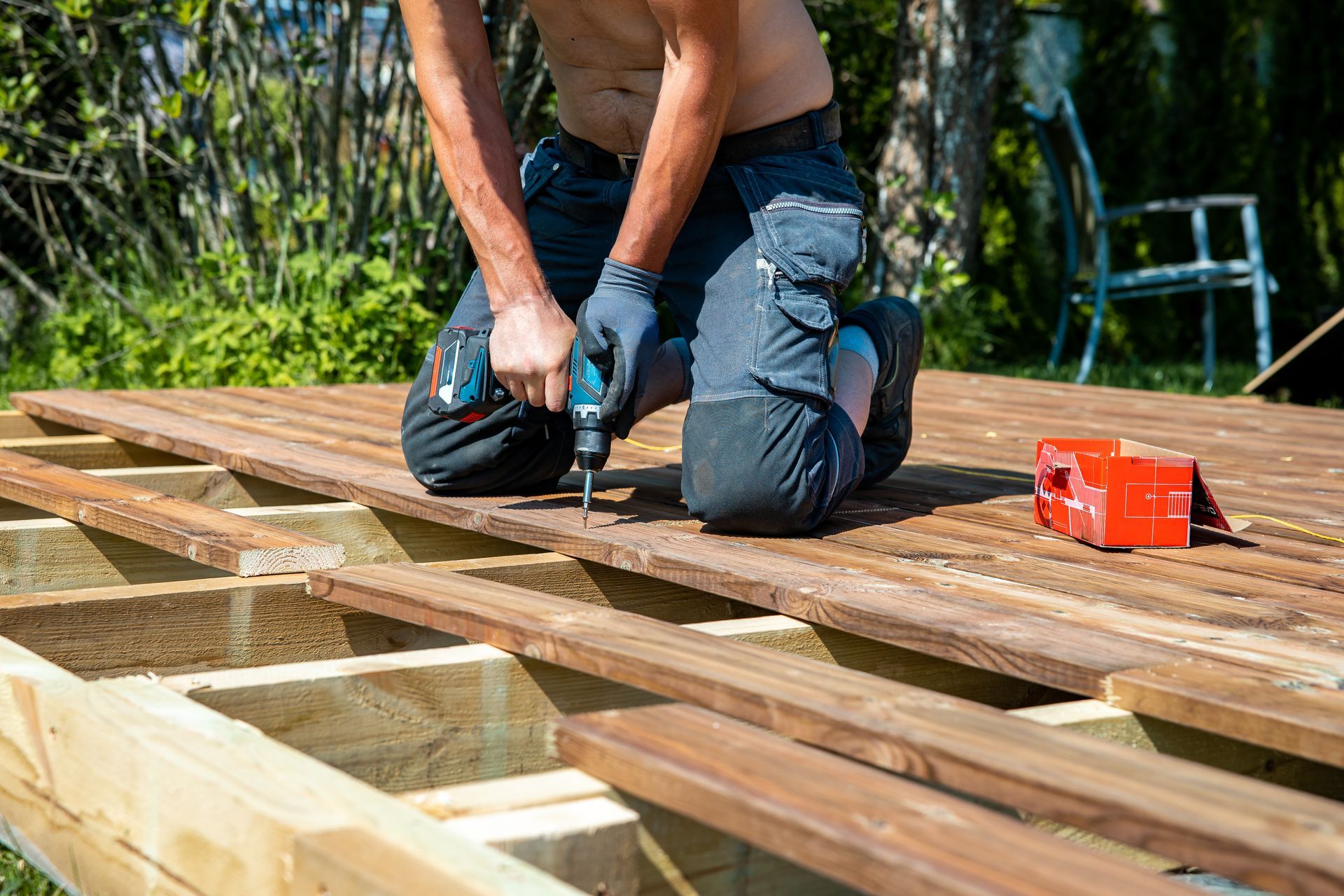
Building a fence that survives aggressive weather means engineering the structure to let air pass through or reinforcing it to take the hit. If you also have custom deck builds on your property, you already know that outdoor structures require solid anchors to remain safe.
What Type Of Fence Holds Up Best In Strong Winds?
A shadowbox wood fence or a horizontal slat fence with engineered gaps holds up best in strong winds. These designs allow wind to pass freely through the staggered boards while still blocking the view into your yard. By reducing the overall wind load on the panels, the posts take significantly less stress and remain upright for decades.
Questions You Must Ask Before Booking
Never sign a contract without getting specific answers about the construction methods your installer plans to use. A professional will gladly explain their process and material choices.
- Post Depth Specifications: Ask exactly how deep they plan to dig the post holes and how much concrete goes into each footing.
- Material Sourcing: Find out if they use contractor grade lumber or if they pull cheap standard stock from a big box store.
- Wind Load Ratings: Request information on the specific wind load ratings for any vinyl or composite panel systems they intend to install.
Securing Your Property Line
Getting the right answers upfront prevents you from paying for the same fence twice. Taking the time to verify materials and installation standards ensures your yard stays protected year after year. Reach out to our crew to discuss the best fencing options for your specific property layout.
Share This Blog