Stop Hidden Wood Rot Underneath Your Sealed Deck Boards Today
Mr. Greenthumb LLC • August 5, 2026
Homeowners often assume their outdoor living spaces are in great shape just because the surface looks pristine. At Mr. Greenthumb, LLC we regularly see beautiful surface boards masking severe hidden wood rot underneath your sealed deck boards. You might spend hours sanding and sealing the top layer while the joists and support posts below are silently turning to mush.
This happens because the structural frame sits closer to the ground and is constantly exposed to rising dampness from the soil. Catching deck repair issues early requires looking past the cosmetic finish and inspecting the actual framing. We are going to walk you through how to spot these underlying moisture problems and fix them before your entire structure needs a complete replacement.
What We Cover
- The Illusion Of A Healthy Deck Surface
- Trapped Ground Moisture Breeds Structural Decay
- Why DIY Fixes Often Accelerate Wood Rot
- How Do You Stop Moisture From Rotting Deck Joists?
- Fixing Hidden Wood Rot Underneath Your Sealed Deck Boards
The Illusion Of A Healthy Deck Surface
Many property owners focus solely on the foot traffic areas when maintaining their outdoor spaces. A fresh coat of water repellent on top gives a false sense of security while water drips between the gaps and clings to the untreated joists below. Wood rot thrives in these dark and poorly ventilated spaces beneath the floorboards.
If the top boards feel slightly spongy or the nails start popping out, the framing underneath is likely already deteriorating. A solid surface means nothing if the bones of the structure are failing under the weight. Regular inspections should always include shining a flashlight between the boards to check the color and condition of the support beams.
→ From a professional standpoint: The most expensive deck repairs always start out as minor moisture issues ignored in the dark spaces below the boards.
Trapped Ground Moisture Breeds Structural Decay
The soil underneath your deck plays a massive role in the lifespan of the lumber. Properties in Berthoud, Colorado often deal with poor drainage situations where water pools directly under the deck framing after a heavy rain. This standing water evaporates upward and gets trapped against the joists.
Over time this constant humidity feeds wood-destroying fungi that eat away at the structural integrity of your posts and beams. Good deck repair services focus on correcting this ground-level water issue before touching the lumber itself. Without proper ventilation and cross-breeze access below, even the best treated lumber will eventually succumb to rot.
This commitment to fixing the root cause is something clients notice firsthand across all our yard care services.
► Client Experience: We have used Mr. Greenthumb for several years for sprinkler blowouts and maintenance. They are quick and communicate really well. We look forward to using them for many more years. - Ellen Rostafin
Whether we are maintaining your irrigation installation or rebuilding a rotted joist, fast and transparent communication ensures you know exactly what is happening on your property.
Why DIY Fixes Often Accelerate Wood Rot
When homeowners spot a soft spot on a joist, the first instinct is often to slap a block of new wood next to it or coat the wet rot in a sealant. This is the worst approach possible because sealing over wet rotting wood just traps the moisture and fungi inside. The rot will continue to spread deeper into the original beam and quickly infect the new sister joist you just installed.
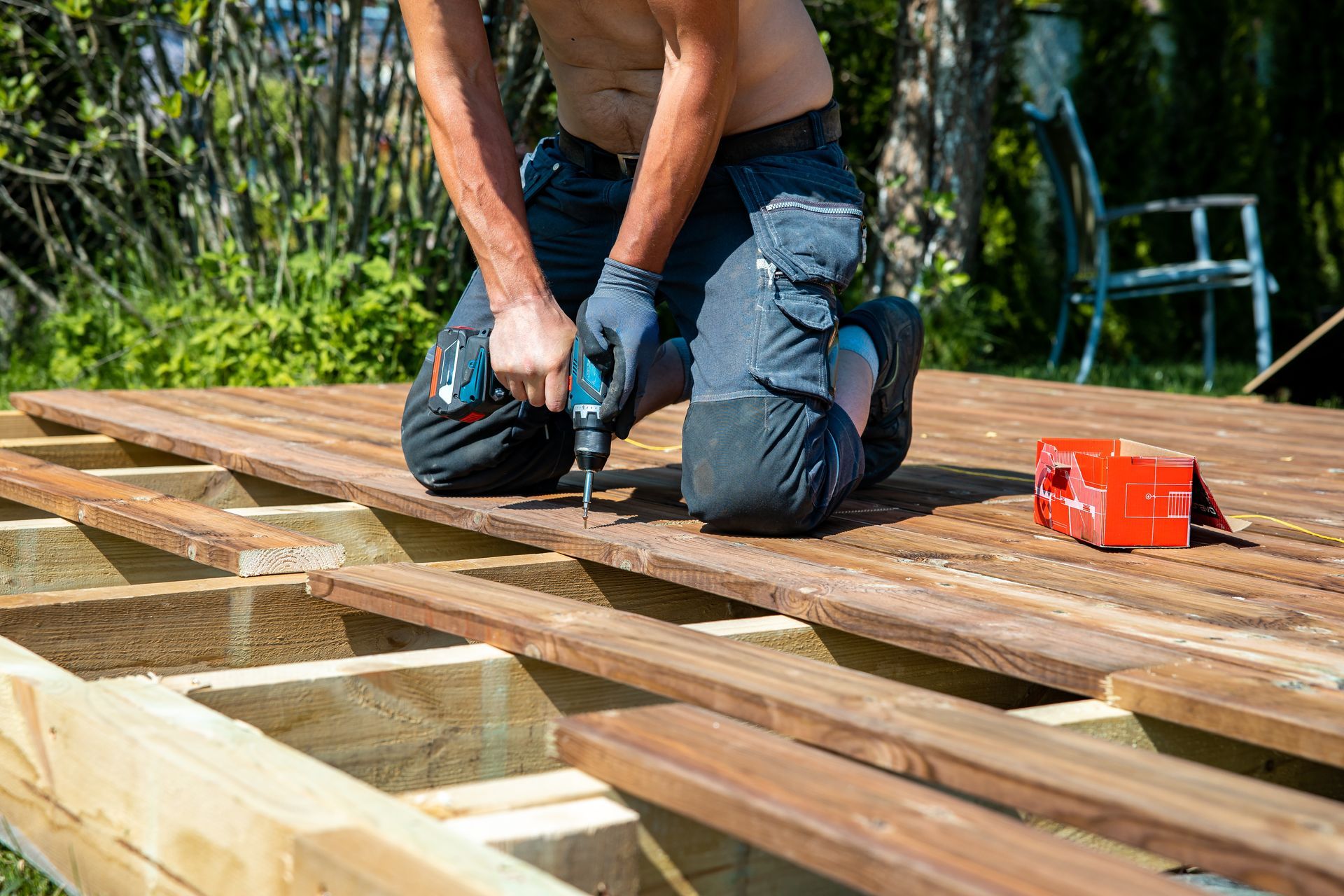
Another common mistake is wrapping wet posts in waterproof tape or coating them in rubberized paint. While joist tape is an excellent preventative measure for dry custom deck builds, applying it over existing moisture issues simply builds a greenhouse for decay. Professional repair methods require cutting out the infected wood entirely, treating the surrounding area with specialized fungicides, and ensuring the new lumber is properly isolated from future ground moisture.
How Do You Stop Moisture From Rotting Deck Joists?
Stopping moisture from destroying your joists requires a combination of proper airflow and strict ground barrier management. We ensure that the soil slopes away from the deck footprint to prevent pooling water from resting near the support posts. Laying down a proper vapor barrier over the soil stops ground moisture from rising into the framing during warmer months. Finally, applying high-quality joist tape to the top edges of the framing during installation or major repairs prevents water from sitting directly on the wood grain where the deck boards meet the joists.
→ A quick tip to remember: Keeping the gaps between your deck boards clear of leaves and debris is the easiest way to ensure water drops through instead of pooling on the joists.
Fixing Hidden Wood Rot Underneath Your Sealed Deck Boards
Addressing hidden decay early keeps a simple repair from turning into a complete structural tear-out. Your deck should be a safe place for family gatherings rather than a hidden structural hazard waiting to fail. Let our team inspect the framing and ground conditions to build a permanent defense against moisture. Give us a call to schedule an honest assessment of your deck structure today.
Share This Blog