Don't Miss The Tight Planting Window For Late Fall Seasonal Beds
Mr. Greenthumb LLC • October 20, 2026
As temperatures drop across the region, property owners often assume they have plenty of time to update their landscape. At Mr. Greenthumb, LLC we know the window for late season planting is actually incredibly narrow and closes fast. Waiting until the last minute guarantees your new plants will face freezing soil before they establish a solid root system. You must act right now so you don't miss the tight planting window for late fall seasonal beds.
The success of a winter landscape depends entirely on giving roots enough time to anchor themselves while the ground is workable. If you delay, the dirt turns solid and plants simply sit on the surface waiting to die from cold exposure. By following a strict timeline, you give your landscape the exact conditions it needs to survive. We have mapped out the stages you need to follow to get your yard ready before the deep freeze sets in.
What We Cover
- Stage 1: Assess Your Current Garden Beds
- Stage 2: Schedule And Prep The Soil
- Stage 3: Protect The New Root Systems
- Frequently Asked Questions
- Booking Your Fall Installation
Stage 1: Assess Your Current Garden Beds
Before you buy a single plant, you must evaluate the current state of your property. Clearing out the old summer growth provides a blank slate and reveals underlying issues with the soil structure or drainage systems.
- Debris Removal: Pull out all the dead summer annuals and rake up the fallen leaves so you have clear access to the bare soil below.
- Weed Eradication: Dig out any remaining deep rooted weeds now, as they will aggressively compete with your new plants for moisture.
- Drainage Inspection: Check for areas where autumn rain pools on the surface, indicating compacted zones that will drown your new winter roots.
Stage 2: Schedule And Prep The Soil
The actual ground conditions dictate your entire schedule when planning a custom garden design late in the year. If you live in Dacono, Colorado, you know how quickly pleasant autumn afternoons turn into freezing nights that lock up the topsoil.
► The most critical urgency fact to remember is that plants need at least four to six weeks in workable soil to build root mass before the ground freezes solid.
- Material Ordering: Secure your organic soil preparation materials and fresh compost immediately before the local supply yards close down their bulk bins.
- Soil Turning: Break up the top eight inches of dirt to relieve compaction and mix in your fresh organic matter to create a loose planting zone.
- Moisture Balancing: Water the freshly turned soil deeply a few days before planting to ensure the ground is uniformly moist but not muddy.
Stage 3: Protect The New Root Systems
Once the plants are in the ground, your immediate focus shifts to insulating them against incoming temperature drops. Proper installation and immediate aftercare keep roots alive when the surface air turns brutally cold.
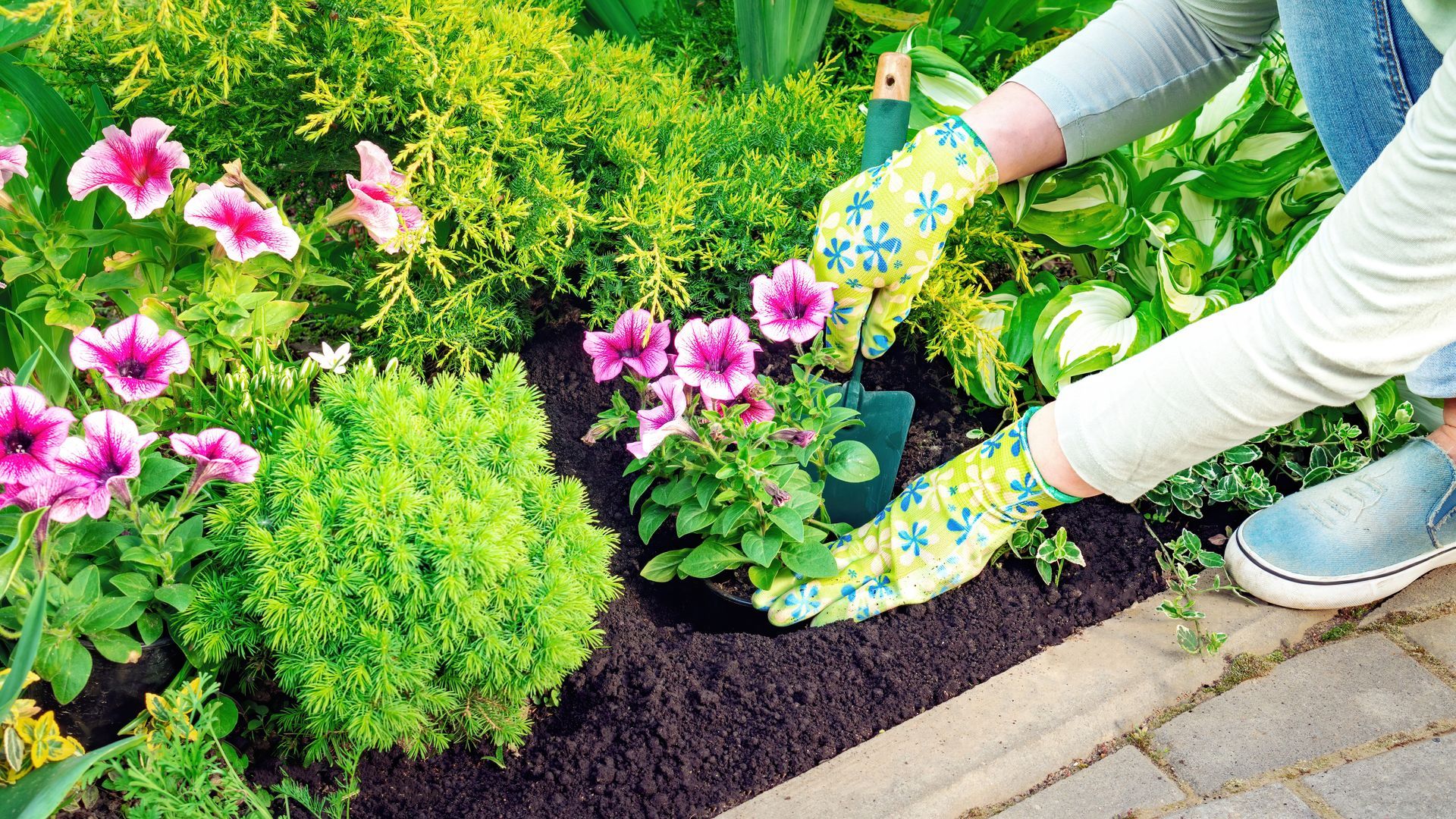
- Deep Watering: Saturate the root balls immediately after planting, as dry roots suffer exponentially more damage from freezing temperatures than well hydrated ones.
- Heavy Mulching: Apply a thick three inch layer of hardwood mulch over the bare dirt to trap the lingering ground heat and block freezing air.
- Wind Blocking: Set up temporary burlap screens around any highly exposed beds to stop aggressive winter winds from stripping moisture out of the leaves.
Frequently Asked Questions
When Is It Too Late To Plant Fall Seasonal Flowers?
It becomes too late to plant when the overnight temperatures consistently drop below freezing and the top layer of soil becomes stiff. You need a buffer of several weeks of mild ground temperatures for the roots to stretch out. Once the shovel has trouble breaking the surface, the planting window has officially closed.
Will A Hard Freeze Ruin My New Garden Bed Plantings?
A sudden hard freeze will severely damage new plantings if they were put into the ground too late and lack an established root network. However, if the plants have had a month to anchor themselves and are heavily mulched, the roots will safely go dormant. The visible top foliage might die back, but the base remains protected.
How Do You Protect Winter Garden Beds From Frost Heave?
Frost heave occurs when water trapped in the soil freezes and expands, physically pushing plant roots right out of the dirt. We prevent this by ensuring excellent drainage through proper soil preparation so water never pools. Applying a consistent layer of mulch also regulates the temperature fluctuations that cause soil to repeatedly freeze and thaw.
Booking Your Fall Installation
Understanding the biological clock of your landscape gives you the power to make smart planting decisions before the weather turns. Your yard has incredible potential for winter beauty if you get the right materials into the ground while it is still warm enough to matter. Secure your spot on our schedule today so we can prep your soil and install your beds correctly.
Give our team a call to claim an installation date before the final freeze locks us out.
Share This Blog